
"reaction speed"
300 article(s) found

Roasting adjustment and extraction adjustment of raw coffee beans what are the effects of soft and hard water on the extraction of coffee
98% of coffee is water, while 94-95% of a cup of espresso is water. So, in the whole coffee equation, water is an extremely important ingredient. In many cases, it is always ignored, so does the roasting and extraction of coffee also need to be adjusted in different drinking environments? How does water quality affect the taste of coffee? Water is

Baking basic science, browning reaction non-enzymatic browning
Following Cafe Review (official Wechat account vdailycom) found that non-enzymatic browning of Beautiful Cafe opening a small shop of its own is different from enzymatic browning. Non-enzymatic browning reactions do not require enzymes, but their reactions require heat, sugars and amino acids. There are two non-enzymatic browning reactions related to coffee roasting: caramelization (caramelization recation) and Maillard reaction.

Water content during coffee roasting-Starbucks Italian roasted coffee beans
Water content during coffee roasting-Starbucks Italian roasted coffee beans with the rapid heating up of coffee beans during roasting, the water begins to escape from the bean surface and evaporate. The escape rate depends on temperature, bean quantity, bean density and air circulation, while the standard rate of a normal roaster is 5-7 minutes when the water content of coffee beans is reduced from 11% to 2%. Coffee at the beginning of roasting
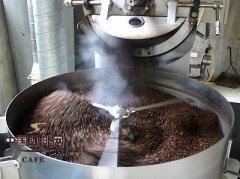
The roasting of coffee
Roasting: this heat treatment causes significant chemical and physical changes in the structure and composition of raw coffee, causing the beans to darken and emit the characteristic aroma of roasted coffee. 1. The purpose of coffee roasting the main purposes of coffee roasting are: a, aroma; B, to increase the complexity of coffee; C, to obtain color; D, to form a unique flavor of coffee. 2. Coffee roasting

Is coffee exhilarating or psychological?
The volunteers were randomly divided into two groups: the first group drank caffeinated coffee but learned that it contained no caffeine; the second group drank decaffeinated coffee but learned that it contained caffeine. The evaluation showed that people who regularly drank caffeinated drinks were as excited as those who rarely drank coffee after drinking a placebo. Many people like to drink a cup of coffee in the morning in order to cheer up and open.
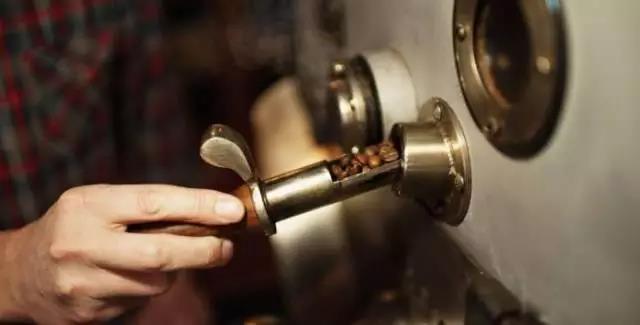
Professional coffee roasting | Mena reaction and caramelization, flavor and hierarchy
Professional coffee knowledge exchange more coffee bean information please follow the coffee workshop (Wechat official account cafe_style) professional coffee roasting | coffee roasting is too complicated? A picture teaches you the roasting process of coffee. During the roasting process of coffee, the bean baker will always wonder, at what stage does the source of these flavors and layers come into being? What are the control points that lead to it? Personally,

Basic knowledge of roasting Coffee
Roasting: this heat treatment causes significant chemical and physical changes in the structure and composition of raw coffee, causing the beans to darken and emit the characteristic aroma of roasted coffee. 1. The purpose of coffee roasting the main purposes of coffee roasting are: a, aroma; B, to increase the complexity of coffee; C, to obtain color; D, to form a unique flavor of coffee. 2. Coffee roasting

The Basics of Roasting
I. The so-called coffee roasting (coffee roasting) refers to the process of converting raw beans into dark brown raw beans by heating the raw beans to cause a series of physical and chemical reactions inside and outside the coffee beans, and in the process to generate various flavors such as acid, bitterness, and sweetness of coffee, forming alcohol and color. 2. The importance of baking affects a cup of coffee

Coffee knowledge what is the effect of coffee on the human body
Different people and different bodies have different responses to coffee, and the human body has a wide range of responses to food and drinks (including coffee). There are different conditions at different times, and a few people do suffer from insomnia, tension, gastrointestinal discomfort, palpitations and other reactions after drinking one or two cups of coffee. Only about 1% of drinkers will have these reactions, but there is no certainty.
Coffee roasting Basics of roasting
I. The so-called coffee roasting (coffee roasting) refers to the process of converting raw beans into dark brown raw beans by heating the raw beans to cause a series of physical and chemical reactions inside and outside the coffee beans, and in the process to generate various flavors such as acid, bitterness, and sweetness of coffee, forming alcohol and color. 2. The importance of baking affects a cup of coffee
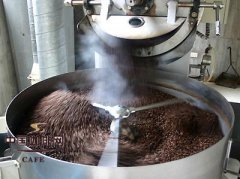
The purpose and skill of roasting coffee
Roasting: this heat treatment causes significant chemical and physical changes in the structure and composition of raw coffee, causing the beans to darken and emit the characteristic aroma of roasted coffee. 1. The purpose of coffee roasting the main purposes of coffee roasting are: a, aroma; B, to increase the complexity of coffee; C, to obtain color; D, to form a unique flavor of coffee. 2. Coffee roasting
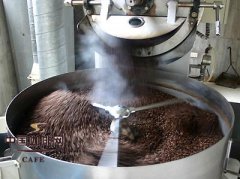
Coffee roasting boutique Coffee Learning Coffee Baking knowledge
Roasting: this heat treatment causes significant chemical and physical changes in the structure and composition of raw coffee, causing the beans to darken and emit the characteristic aroma of roasted coffee. 1. The purpose of coffee roasting the main purposes of coffee roasting are: a, aroma; B, to increase the complexity of coffee; C, to obtain color; D, to form a unique flavor of coffee. 2. Coffee roasting

How to understand Coffee Baking Curve introduction to Starbucks Coffee Baking Curve
Coffee roasting curve with the rapid heating of coffee beans in the roasting process, water begins to escape from the bean surface and evaporate. The escape rate depends on temperature, bean quantity, bean density and air circulation, while the standard rate of a normal roaster is 5-7 minutes when the water content of coffee beans is reduced from 11% to 2%. Coffee beans at the initial stage of roasting sometimes turn a little white or milky white, and then

The basics of baking the meaning of baking
one。 The meaning of baking 1. The definition of roasting so-called coffee roasting (coffee roasting) refers to the heating of raw beans to promote a series of physical and chemical reactions inside and outside of coffee beans, and in this process to produce a variety of sour, bitter, sweet and other flavors of coffee, forming mellowness and hue, and converting raw beans into dark brown beans. two。 The importance of baking is affecting a cup of coffee.
Basic knowledge about roasting of boutique coffee
one。 The meaning of baking 1. The definition of roasting so-called coffee roasting (coffee roasting) refers to the heating of raw beans to promote a series of physical and chemical reactions inside and outside of coffee beans, and in this process to produce a variety of sour, bitter, sweet and other flavors of coffee, forming mellowness and hue, and converting raw beans into dark brown beans. two。 The importance of baking is affecting a cup of coffee.
The basics of coffee roasting
one。 The meaning of baking 1. The definition of roasting so-called coffee roasting (coffee roasting) refers to the heating of raw beans to promote a series of physical and chemical reactions inside and outside of coffee beans, and in this process to produce a variety of sour, bitter, sweet and other flavors of coffee, forming mellowness and hue, and converting raw beans into dark brown beans. two。 The importance of baking is affecting a cup of coffee.

Coffee roasting process Coffee roasting principle Coffee is roasted
Professional coffee knowledge exchange more coffee bean information Please pay attention to coffee workshop (Wechat official account cafe_style) raw beans are hard seeds in coffee berries, in addition to crude fiber, but also contains water, chlorogenic acid, protein, alkaloids, caffeine, fats, sugars and other substances. While baking at high temperature, the above substances will appear such as Mena reaction and Stryker degradation.

What kind of tea is black tea? Does black tea taste the same as black tea? what's the difference in taste characteristics?
The production of tea is a strict process, which has been developed after hundreds of years of trial and error. Today, scientific research helps us define the chemical processes that take place in all steps of a process, but a long history and conservative process traditions have led to some common misunderstandings and confusing terms. In particular, fermentation is often used to describe the blackening process of tea during processing.
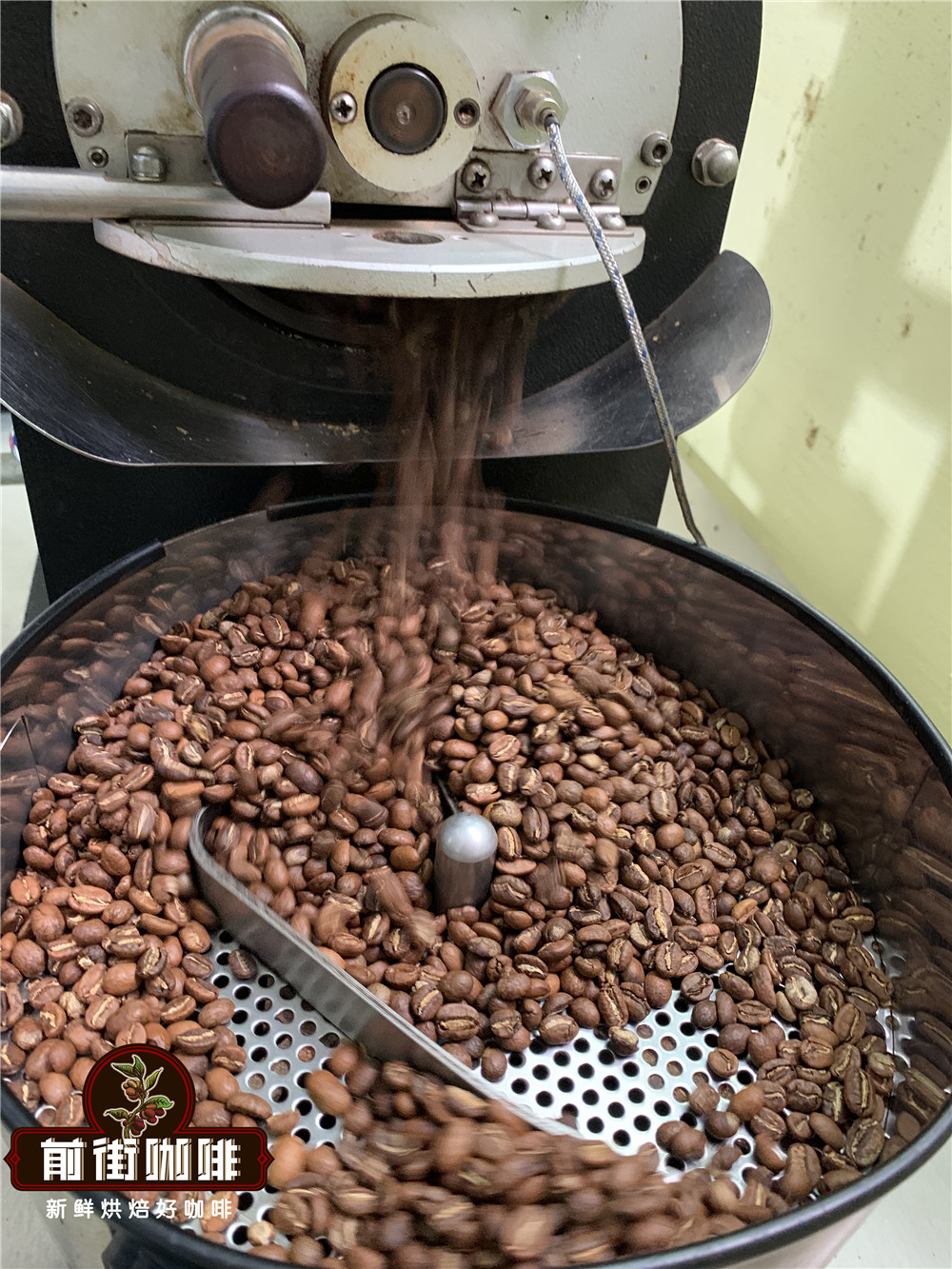
Coffee beans are light, moderate and deep roasting flavors. Taste distinguishes where the sweet and sour feelings in coffee beans come from.
Professional coffee knowledge exchange more coffee bean information please pay attention to the coffee workshop (Wechat official account cafe_style) roasting meaning 1, the definition of roasting so-called coffee roasting (coffee roasting) refers to the heating of raw beans, to promote a series of physical and chemical reactions inside and outside of coffee, and in the process to produce coffee sour, bitter, sweet and other flavors, shape
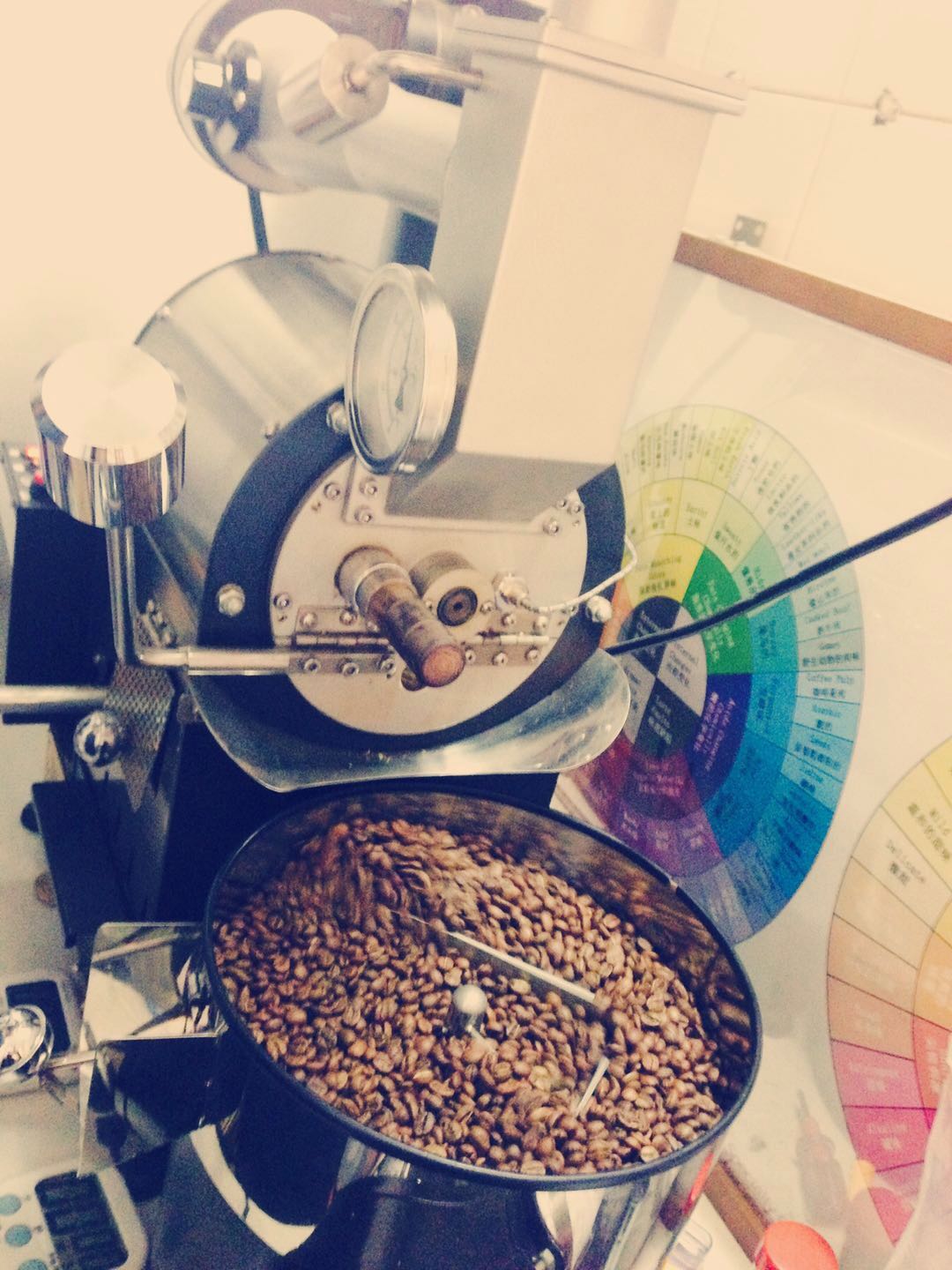
Coffee beans roasting knowledge points: basic knowledge about roasting to understand the key points affecting coffee quality
I. The so-called coffee roasting (coffee roasting) refers to the process of converting raw beans into dark brown raw beans by heating the raw beans to cause a series of physical and chemical reactions inside and outside the coffee beans, and in the process to generate various flavors such as acid, bitterness, and sweetness of coffee, forming alcohol and color. 2. The importance of baking affects a cup of coffee